Exploring Natural Latex Mattresses: Comfort, Durability, and Sleep Health
Natural latex mattresses sit at a curious crossroads of comfort and science, offering contouring support without the deep sink of memory foam and with a resilience that can outlast many synthetic cores. In this editorial-style examination, we probe material properties, durability, and how latex compares to other common options for cold-climate sleep comfort. We also offer practical considerations for choosing a non-toxic, long-lasting mattress, framed through the lens of the wintermattress.com editorial voice—warm, precise, and inviting readers to think deeply about what makes a good night’s sleep in chilly rooms.
Introduction: What is natural latex and why it matters for winter sleep
Natural latex is a resilient, elastic material derived from the sap of rubber trees, processed into a foam that can be either Talalay or Dunlop. Each method yields distinct cell structures that influence feel, temperature regulation, and durability. In winter climates, the way a latex core breathes and redistributes heat becomes a crucial determinant of sleep quality. Unlike certain polyurethane foams, natural latex tends to offer inherent buoyancy and a balance between contouring comfort and pressure relief, while still allowing for airflow that helps prevent heat trapping under a thick blanket or across a subfreezing room.
Beyond feel, latex is often chosen for its durability and its chemical profile. Many latex mattresses feature organic or natural coverings, and certifications such as GOTS, GOLS, or OEKO-TEX help reassure sleepers seeking a non-toxic sleep surface. As with any bedding material, the final experience hinges on the full system: the core, the cover, the topper, and the bed frame that supports it. The question, then, is not merely whether latex feels good, but how it performs through the cycles of a winter night—when the thermostat drops and the body seeks steady warmth without overheating.
Natural latex versus memory foam, springs, and hybrids
When you compare latex to memory foam, the differences are not simply about softness or firmness. Latex tends to retain its shape more consistently under varying loads and temperature shifts. Memory foam, by contrast, is more prone to viscoelastic changes with temperature—comfort layers can become softer in a warm room and stiffer in a cold one. In a winter bedroom, that dynamic can feel like a pendulum: you wake up to a surface that has subtly shifted with your movement or a blanket condensed by cool air. Latex generally regains its loft quickly, offering a more stable sleep surface as the night progresses.
Compared with spring or hybrid constructions, latex cores emphasize a different kind of support. An all-latex mattress may feel cradling yet resilient, where pocketed springs provide a high degree of localized contouring but rely on the comfort layers above to regulate temperature. In cooler climates, the conduction of heat through the core matters: latex has a low heat-retention profile relative to some dense foams, which can be an advantage for sleepers who run warm at bedtime or who habitually use layered bedding that creates bulk and heat traps.
For those favoring temperature regulation, hybrids—combinations of latex or foam comfort layers above coil systems—offer a middle ground. The air channels created by coils promote breathability, while latex or latex-like foams in the top layers maintain contouring support. The upshot is that a well-designed hybrid can deliver the best of both worlds: a responsive surface with adequate airflow, even when the room sits near the lower edge of comfort thresholds during winter.
Certifications and practical evaluation
Choosing a latex mattress responsibly begins with certifications. Look for materials that are—at a minimum—certified organic or separately verified for content and safety. GOTS (Global Organic Textile Standard) covers organic fibers used in the cover; GOLS (Global Organic Latex Standard) targets the latex itself; a mattress may also bear OEKO-TEX Standard 100 or similar labels that attest to low chemical emissions. The presence of such certifications is not a decorative flourish; it signals a commitment to a sleep surface that respects both personal health and the wider ecosystem.
In practical terms, a careful evaluation includes evaluating the mattress’s profile, density, and the distribution of support across the surface. For winter sleep in particular, you want to observe how the surface responds to a modest increase in bedding layers without becoming excessively stiff or overly soft at the edges. A well-made latex mattress tends to offer consistent edge support, a hallmark that matters when you share a bed with someone who moves in the night and when you need stable support near the perimeter of the sleeping surface.
Three key voices across time: a historical lens
To illuminate the texture of latex’s story, we offer three perspectives from different epochs—thinkers and practitioners who shaped the conversation around comfort, materials, and how we imagine the sleeping body in space.
1) Ancient and medieval roots of natural comfort
In the hum of early textile crafts, warmth was a function of fibers, loft, and layering. While latex is a modern synthetic-natural hybrid, the reverence for balanced warmth—avoiding chill and avoiding overheating—echoes through centuries of textile wisdom. Philosophers and physicians of classical and medieval times often noted how the body demanded a balance between external climate and inner vitality. The spirit of such thought lives on in latex’s promise: a surface that contours to the shape of the body without burying it in heat or in resistance.
2) Mid-20th century materials science meets domestic life
In the mid-1900s, postwar households embraced synthetic materials and then reintroduced natural fibers into conscious combinations. Latex foam—both natural and synthetic blends—began to appear as a credible alternative to traditional innerspring mattresses, offering a new vocabulary for sleep comfort. The era’s designers, like the late-20th-century foam pioneers, recognized that a good night’s sleep depended on the intimate interface between a sleeper and the bed—a theme that persists in latex today: a breathable, supportive surface that remains responsive as the night unfolds.
3) Contemporary emphasis on health, sustainability, and sleep science
Today, sleep health researchers and product developers converge on the idea that a non-toxic, well-ventilated sleep surface can meaningfully affect circadian balance, melatonin production, and overall well-being. Latex, with its natural origins and high breathability, is often positioned as a material that aligns with these contemporary concerns. The modern reader seeks not merely comfort but a sustainable, health-conscious approach to sleep, a standard that latex can support when paired with responsible manufacturing and transparent information about materials.
The psychology of warmth and the science of sleep
Warmth is not simply a sensory experience; it is a cue that disarms the body’s wakefulness. A winter night invites a subtle dance between core temperature, peripheral warmth, and rest. Latex’s breathability helps prevent the sleep-sapping trap of overheating, while its rebound quality supports a sensation of buoyancy that helps the body settle into a restful state. The psychology of comfort—softness, support, and a feeling of security—intertwines with physiological signals governed by circadian rhythms. In colder rooms, a surface that maintains predictable responses—neither too soft nor too firm—can reduce micro-arousals and help sustain deep sleep stages.
Critically, the choice of top layer, cover material, and any added toppers matters as much as the latex core. A natural wool or cotton cover, for instance, can complement latex with moisture-wicking properties and a tactile impression that reinforces a cozy, secure sleep environment. In a winter setting, the combination of latex with breathable, natural coverings can be a practical recipe for comfort and health—even when the thermostat dips toward the lower edge of comfortable ranges.
Practical guide: choosing a natural latex mattress for winter comfort
If you are convinced that natural latex deserves a place in your winter sleep plan, here is a concise, non-promotional framework for evaluating options without becoming overwhelmed by branding and statistics alone.
Core material and type: Decide between Dunlop and Talalay latex. Dunlop tends to be denser and more durable; Talalay often offers a more consistent, buoyant feel. Some sleepers prefer a layered approach with a latex core under a softer top layer for a balance of subtle contouring and lift.
Certifications and sustainability: Look for GOTS, GOLS, or OEKO-TEX labels, as well as transparent sourcing information. These signals reassure you that the mattress aligns with environmental and health standards.
Cover and top layers: Favor natural, breathable covers—organic cotton or wool blends—over synthetic fabrics. In winter, wool-topped layers can enhance warmth without compromising breathability.
Firmness and height: Determine your preferred firmness and overall height. A typical latex mattress ranges from about 6 to 12 inches of core height, with toppers adding another inch or two. Remember that walkers and restless sleepers benefit from a surface that neither sinks excessively nor feels overly hard at the edges.
Temperature behavior in winter: Consider how the surface behaves as the room cools. Latex’s natural elasticity tends to remain stable across temperature shifts, but the top layers’ materials influence heat flux. A cooler room will feel different through the night; choose a composition that sustains comfort across those cycles.
As a practical step, arrange a trial period if possible, and pay attention to edge support, motion isolation, and how the surface responds to your body over the course of a typical winter night. A good latex mattress should deliver a sense of anchored, even support—without inducing overheating as you nestle deeper under covers.
Product spotlight: Vispring Diamond Majesty and the durable elegance of hand-crafted comfort
If your curiosity leads you toward a luxury benchmark that echoes the ideals of winter sleep—where warmth, support, and longevity are woven into the fabric of the night—the Vispring Diamond Majesty offers a case study in materials precision and artisanal craftsmanship. While not a latex mattress per se, its emphasis on high-resilience materials, wool blends, and state-of-the-art spring systems demonstrates what the upper echelons of sleep furniture can aspire to: a sleep surface that responds with nuance while maintaining thermal comfort across seasons.
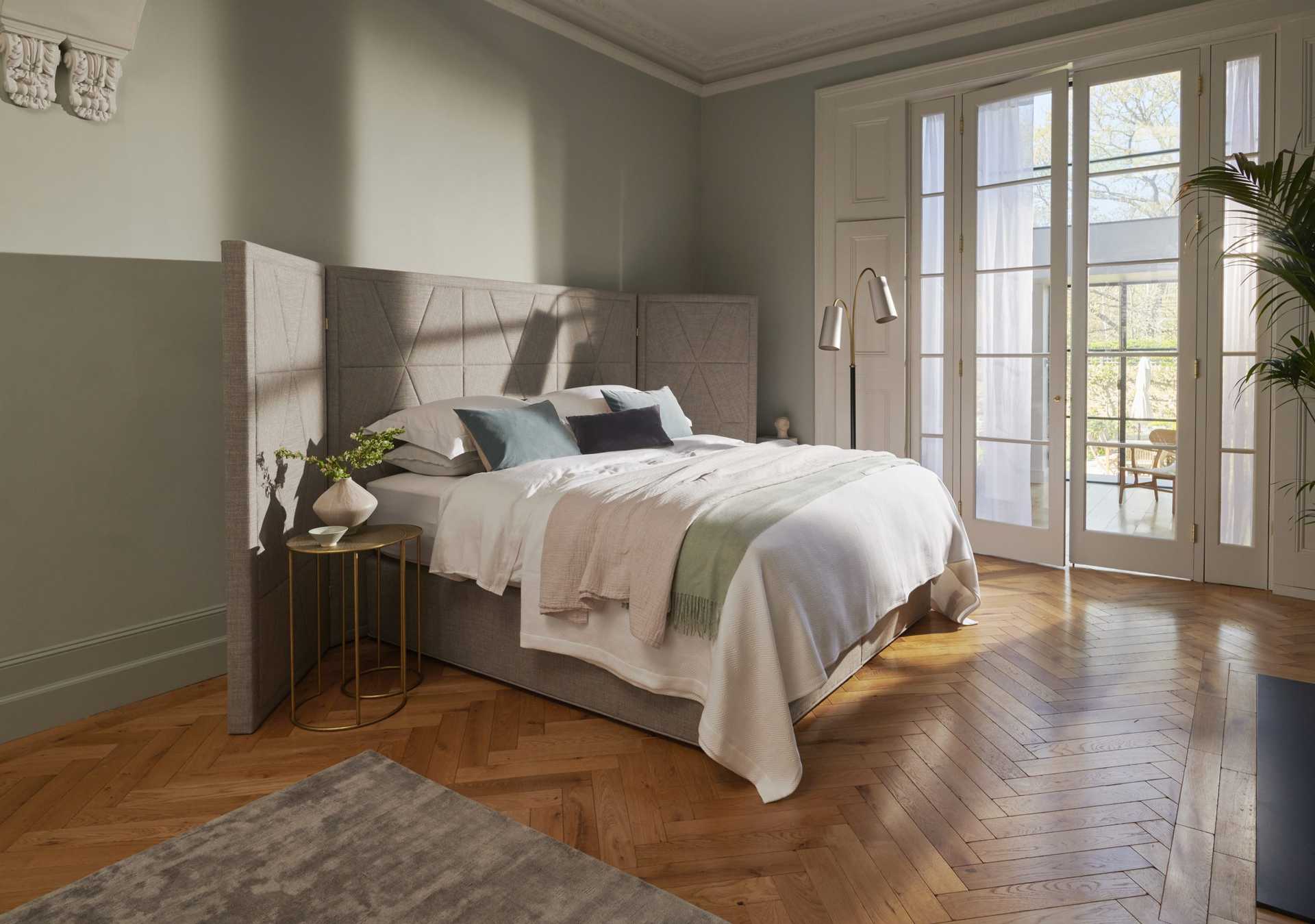
Vispring Diamond Majesty
A masterclass in luxury craftsmanship, featuring vicuña fleece, hand-nested pocket springs, and wool blends designed for enduring support and a balanced warmth profile. While positioned in the high-end spectrum, its approach to layering—combining natural fibers with precision engineering—offers a thematic parallel to latex-focused comfort: the idea that warmth, breathability, and durability can coexist in a single, meticulously designed sleeping surface.
Price: 56,200.00 USD
Product imagery available upon request or via brand gallery access. This spotlight is intended to illustrate the luxury end of the spectrum and to anchor the imagination around warmth, materials, and craftsmanship in winter sleep narratives.
For readers seeking a more grounded, non-derivative experience, consider a refined, mid-range latex option such as the Savvy Rest Pastoral Wool Mattress, which emphasizes wool’s temperature-regulating properties in combination with latex-like resilience, offering a practical model for winter sleep that remains accessible without sacrificing ethics or performance.
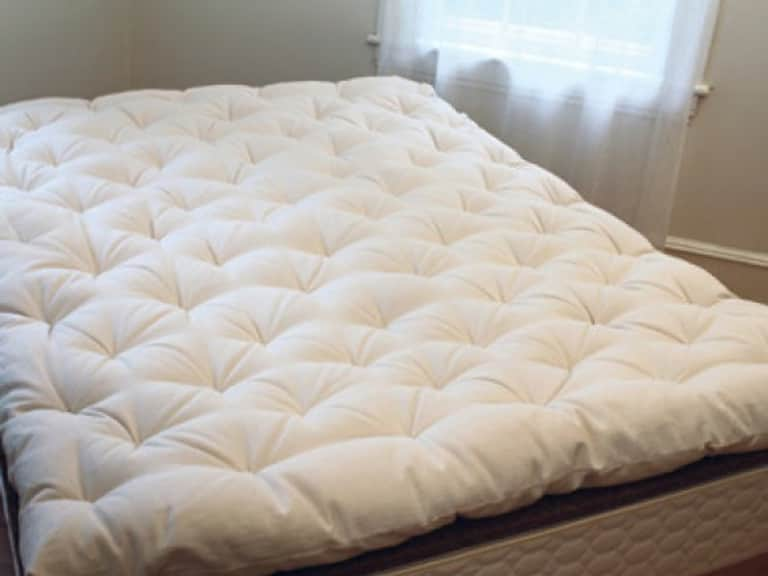
Savvy Rest Pastoral Wool Mattress
A latex-free option that centers organic wool batting for temperature regulation and breathable comfort. A modest profile and hand-tufted cotton cover present a comforting, ethical alternative for winter sleep enthusiasts seeking a non-latex route.
Price: 1,699.00 USD
Conclusion: latex as a thoughtful ingredient in winter sleep design
Natural latex mattresses offer a compelling combination of contouring comfort, buoyant support, and breathability—properties that resonate with the needs of sleepers in cold rooms. While no single material holds all the answers, latex’s resilience and temperature-responsive performance align with the editorial aim of wintermattress.com: a resource that informs, reassures, and guides readers toward sleep surfaces that feel personal and responsible. The conversation about winter sleep should be less about chasing a brand and more about understanding how materials, structure, and environment converge to shape a better night’s rest.
As with any sleeping investment, prioritize transparency, certifications, and a measured approach to testing. A thoughtful selection—whether a latex-based mattress, a hybrid with breathable latex and springs, or a wool-supported surface—can support sleep health through the crispest nights and the coziest mornings alike. The goal is not merely warmth; it is the sustained art of waking well, in a room that feels as understood as the body beneath the sheets.
Sleep cooler, lighter luxury: vicuña fleece cushions you in a soft, breathable surface while 3,162 responsive springs cradle every contour, isolating movements, edge-to-edge support, and perfect temperature shifts all night.
Sleep cooler and drier with no latex, thanks to breathable organic wool and cotton. Handcrafted for supportive, chemical-free comfort that adapts as a cozy futon—eco-friendly, airy, and cozy night after night.
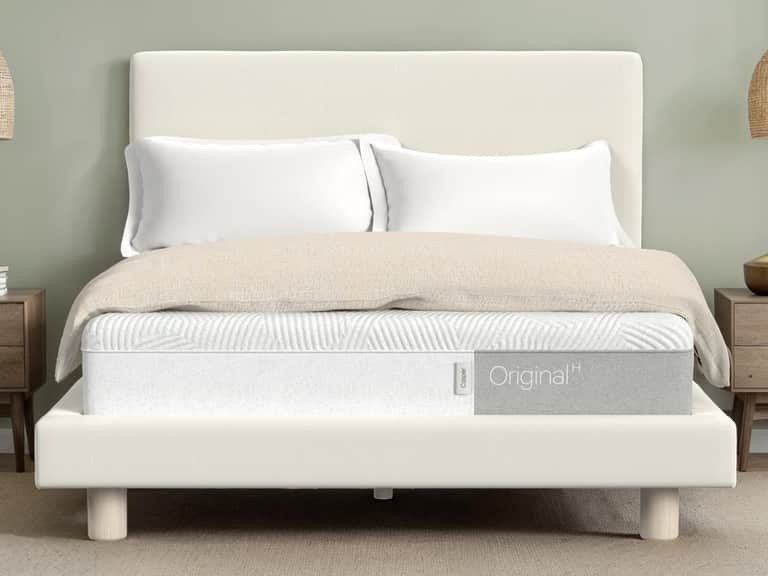
Experience cooler, deeper sleep with Casper: breathable foam and targeted Zoned Support align your spine, while hybrid springs cushion every move for lasting comfort and effortless night after night.