Blankets are versatile bedding layers that add warmth, comfort, and adaptable coverage throughout the year. Their purpose depends on material, weave, thickness, and size, which influence insulation and breathability. A blanket can be used over sheets, beneath a duvet, or as a light layer while resting, making it a practical part of a coordinated sleep setup.
Natural fibers such as wool can help regulate warmth by holding insulating air while allowing moisture to move away from the body. Blanket weight and construction affect how they feel and perform, so room temperature, personal comfort, and seasonal needs are useful considerations. Pairing a blanket with suitable pillows and sheets can support a comfortable bedding arrangement.
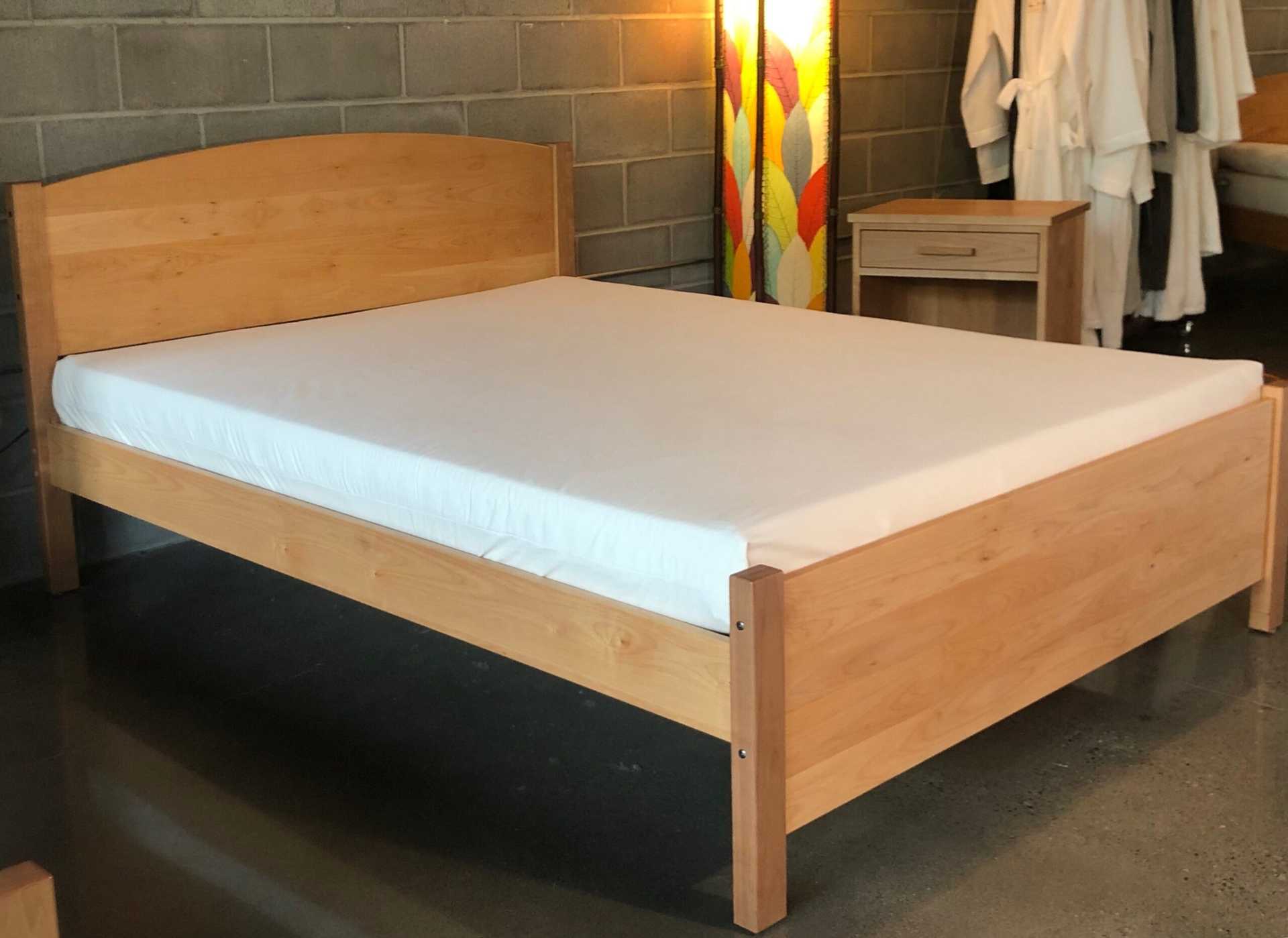
Mattress materials also contribute to the overall feel of a sleep surface beneath blankets and other bedding. The Natural Wool & Latex Mattress 6.5 Inch combines wool and latex in a six-and-a-half-inch profile. These materials offer distinct cushioning and temperature-management characteristics, while the product name identifies its natural-material construction and relatively low height.
When evaluating bedding layers, consider how a blanket’s warmth works with the mattress and the surrounding room. A lighter layer may suit warmer conditions, while a thicker blanket can provide additional insulation in colder weather. People comparing organic mattresses or organic crib mattresses should assess material information and intended use separately from blanket size and warmth.
Care and fit are important to continued blanket usability. Follow the maker’s cleaning instructions, since fiber type and construction can affect washing, drying, and storage requirements. Choose dimensions that provide appropriate coverage for the sleeper and bed. Understanding these features helps distinguish blankets from sheets, pillows, and mattresses within the broader bedding category.
 Bedding